We fill the gap.
Boarding homes provide the roof. We bring the clinical bridge — so residents with complex needs get care where they live, and staff never face a crisis alone.

Complex needs
Mental health, substance use and frequent hospital stays.
No clinical backup
Staff spot changes but have no professional to call.
No escalation plan
Small concerns snowball into emergencies.
Broken communication
Home, providers and hospitals rarely connect.


of ER visits by unhoused people involve a mental health or substance use crisis.
Cost per resident,
per year
Fig. 02Source: New Harmony Behavioral Health program model (acute psychiatric care at a $3,600/day baseline).
Table view
| Scenario | Per resident / year |
|---|---|
| Without stabilization | $89,100 |
| With stabilization | $69,300 |
HUD, 2023
Five
steps.
One picture.
Assess & connect
A licensed provider assesses each resident and delivers the right level of care — instead of handing over a phone number.
Equip staff
Staff learn to spot changes early, de-escalate with trauma-informed language, and know exactly when — and who — to call.
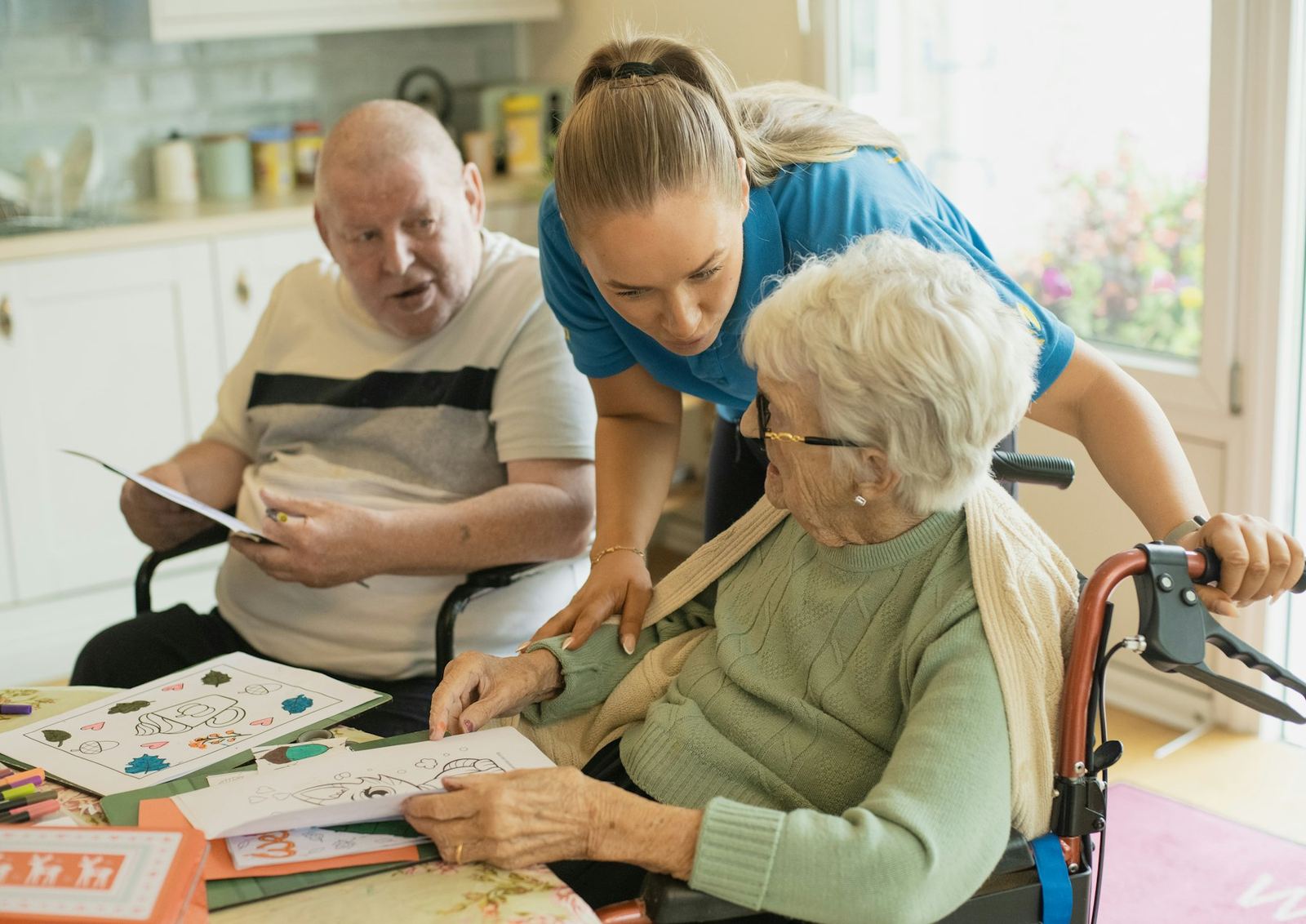
Warm handoffs
Every concern follows the same accountable path, with named contacts and privacy honored at each step.

Plan for crisis
A three-level plan built in advance: routine concerns get relayed, urgent ones go to the clinical liaison, emergencies to 911 or 988.
Measure & grow
Engagement, completed referrals and fewer crises are tracked honestly — while residents build skills and community ties.

Outpatient
Therapy, psychiatric support and care coordination.
Intensive outpatient
Structured treatment while living in the community.
Adult partial care
Intensive daytime programming — the highest community level.
New Harmony Behavioral Health
A licensed behavioral health provider in Newark, NJ, led by founder Dr. Kevin Miller. Partnering now with New Jersey boarding homes — outside NJ? Tell us about your home.
- Partnerships
- Babafunmilayo Johnson, Strategic Partnerships Manager
- Phone
- 973-734-5943
- Address
- 972 Broad Street, Newark, NJ